Turkey Brine Recipe: How to Make the Best Brine for Juicy Turkey
Have you ever wondered why some Thanksgiving turkeys turn out dry and flavorless while others are succulent and memorable? The secret might be simpler than you think – it’s all in the brine. A proper turkey brine recipe can transform an ordinary bird into a juicy masterpiece that has your guests raving for years to come.
Brining is a simple yet scientific process that allows your turkey to absorb extra moisture and flavor before cooking. This age-old technique creates a buffer against the drying heat of the oven, resulting in meat that stays tender and flavorful throughout the cooking process.
In this comprehensive guide, I’ll share my tried-and-tested turkey brine recipe that has never failed to impress at holiday gatherings. Whether you’re a first-time turkey chef or a seasoned pro looking to elevate your game, this brine will make all the difference.
Ingredients List
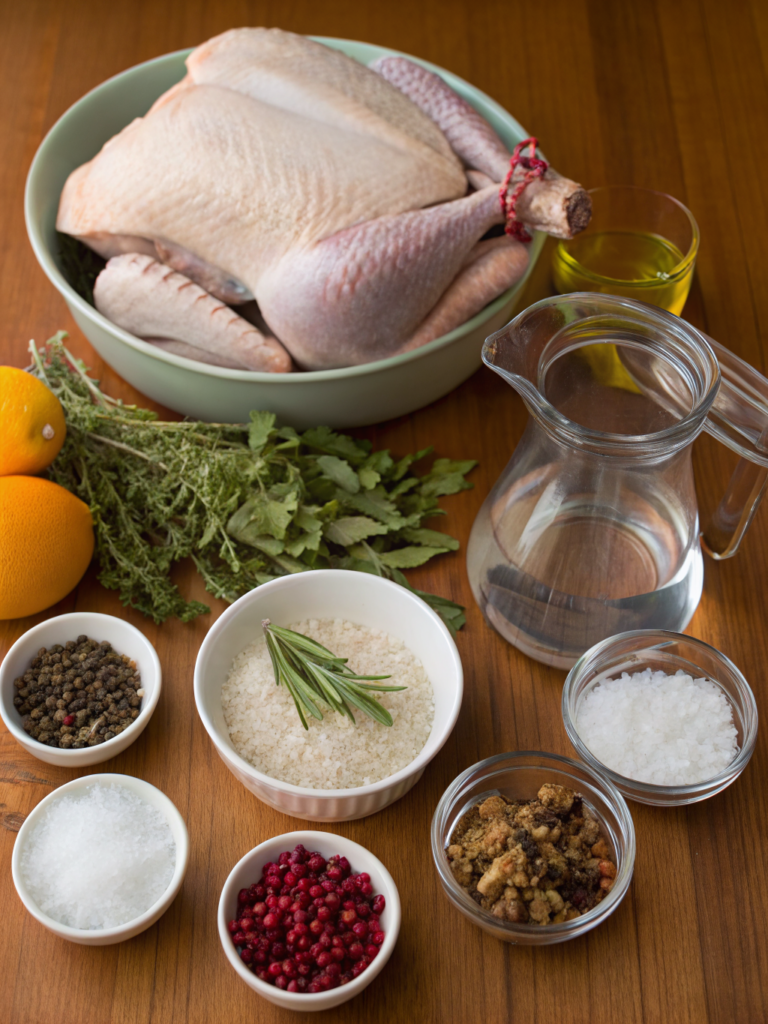
The perfect turkey brine balances salt, sweetness, and aromatics to infuse your bird with complex flavors. Here’s everything you’ll need:
- 1 cup kosher salt (not table salt, which is more concentrated)
- ½ cup brown sugar (adds a subtle sweetness that balances the salt)
- 2 oranges, quartered (for bright citrus notes)
- 2 lemons, quartered (adds acidity and freshness)
- 6 sprigs fresh rosemary (for earthy, pine-like aroma)
- 6 sprigs fresh thyme (adds subtle herbal notes)
- 4 bay leaves (for depth of flavor)
- 3 tablespoons whole black peppercorns (for gentle heat)
- 5 cloves garlic, crushed (for savory undertones)
- 2 gallons cold water, divided (the brining liquid)
- 4 cups apple cider (optional, adds sweetness and complexity)
Substitution tips: No fresh herbs? Use 1 tablespoon dried herbs for each 3 sprigs fresh. Apple juice can replace cider, and maple syrup can substitute for brown sugar for a different flavor profile. For a spicier brine, add 1-2 sliced jalapeños.
Timing
Preparation time: 20 minutes (10 minutes to gather ingredients, 10 minutes to combine)
Brining time: 12-24 hours (minimum 12 hours for noticeable results, optimal 24 hours for maximum flavor penetration)
Total time before cooking: 12-24 hours plus 1 hour to rinse and dry the turkey
This process requires advance planning but demands minimal active time – just 20 minutes of prep work yields dramatically improved results, making it 100% worth the minimal effort investment.
Step-by-Step Instructions
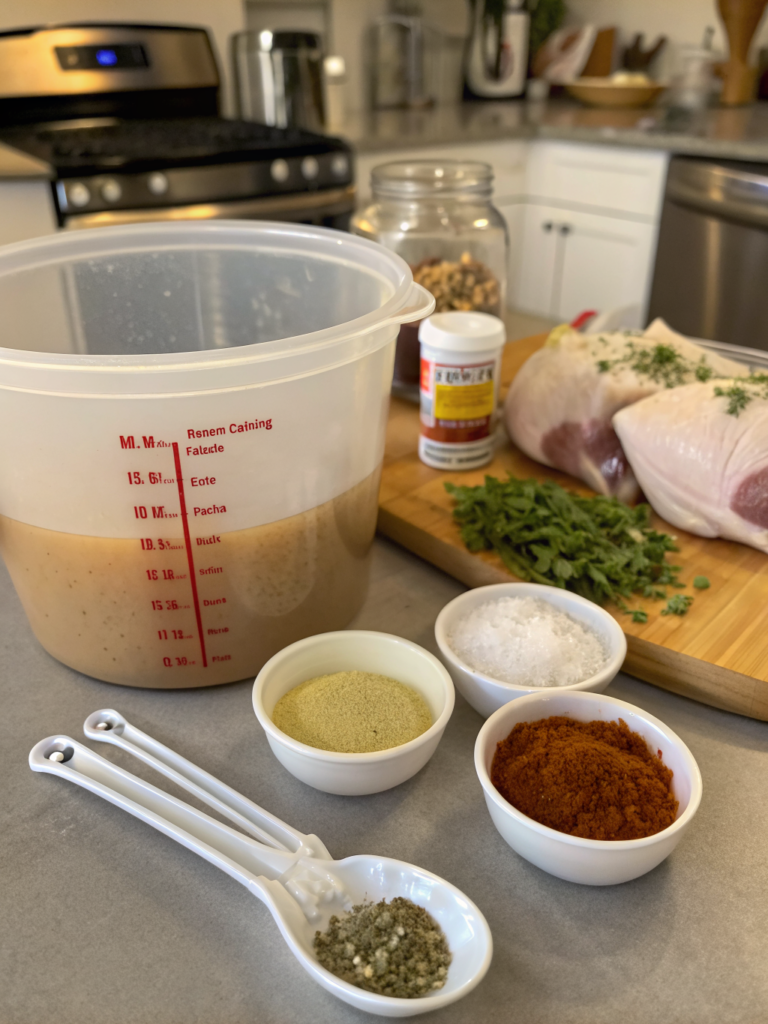
Step 1: Prepare Your Brining Container
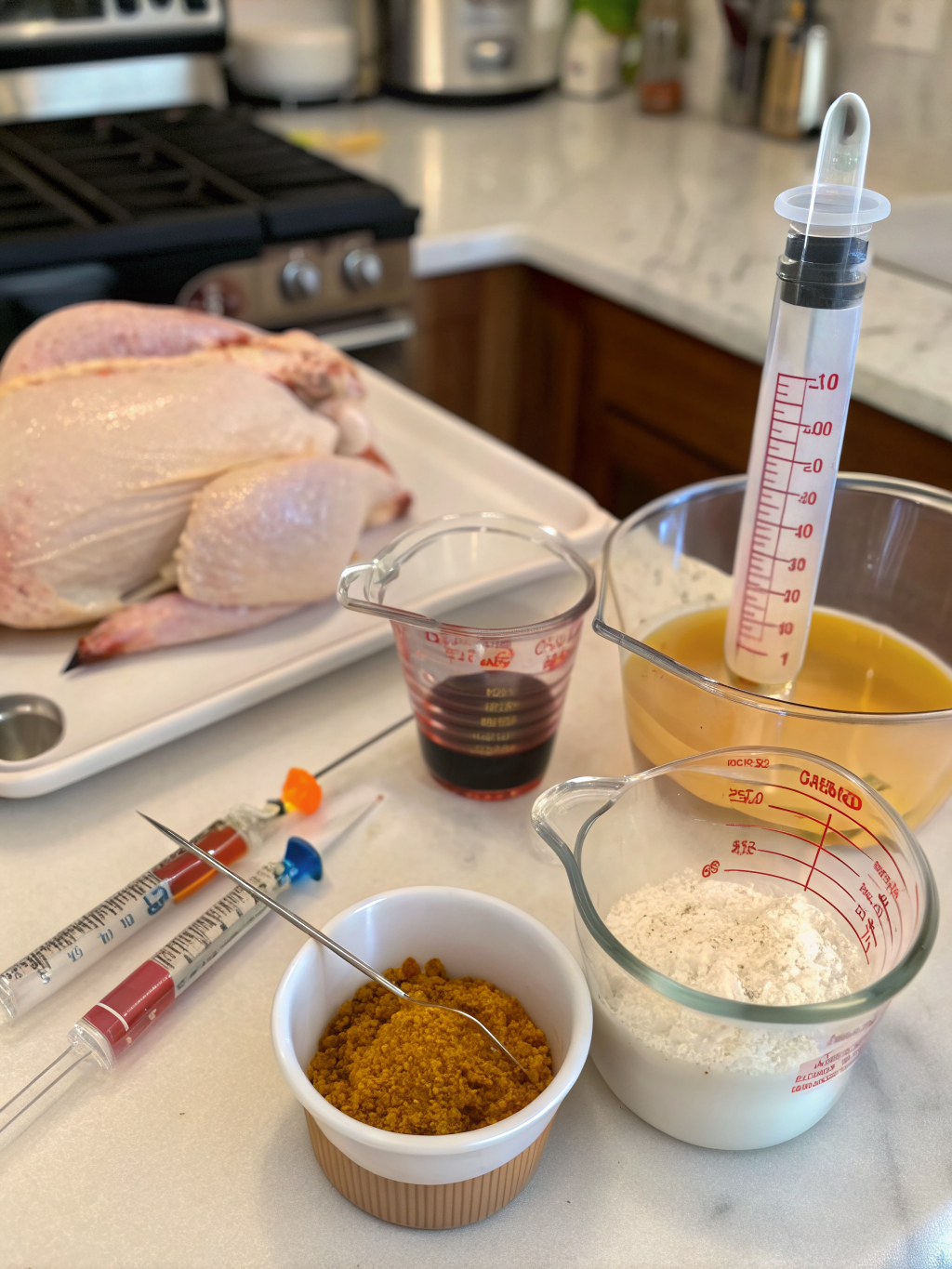
Select a container large enough to fully submerge your turkey. Food-grade buckets, large stock pots, or brining bags placed in a roasting pan work well. Ensure your container will fit in your refrigerator, or prepare to use a well-insulated cooler with ice packs if refrigerator space is limited.
Step 2: Create the Brine Base
In a large pot, bring 1 gallon of water to a simmer. Add salt and brown sugar, stirring until completely dissolved. This creates a solution that will penetrate the turkey’s muscle fibers effectively. The hot liquid helps the salt and sugar dissolve quickly and extracts more flavor from the aromatics in the next step.
Step 3: Add Aromatics
Add the citrus fruits, herbs, peppercorns, bay leaves, and garlic to the hot brine base. Reduce heat and simmer gently for 5 minutes to release the essential oils and flavors from these ingredients. The gentle heat activates the aromatic compounds without causing bitter flavors to develop.
Step 4: Cool the Brine
Remove the brine from heat and allow it to cool completely. Add the remaining gallon of cold water and apple cider (if using) to expedite cooling. Never add a turkey to warm brine as this creates food safety hazards. If you’re in a hurry, add ice cubes in place of some of the cold water.
Step 5: Prepare the Turkey
Remove giblets and neck from the turkey cavity. Rinse the turkey thoroughly under cold water and pat dry with paper towels. Trim excess fat if desired. Make sure your turkey is fully thawed if you purchased it frozen – a partially frozen turkey won’t absorb the brine properly.
Step 6: Submerge the Turkey
Place the turkey breast-side down in the cooled brine solution. The breast meat benefits most from brining, so prioritize its submersion if the turkey isn’t completely covered. If necessary, weigh down the turkey with a heavy plate to keep it fully submerged.
Step 7: Refrigerate
Cover the container and refrigerate for 12-24 hours. The general rule is to brine for approximately 1 hour per pound of turkey, but not exceeding 24 hours. Over-brining can make the meat mushy and too salty, so stick within the recommended time frame.
Step 8: Rinse and Dry
After brining, remove the turkey and discard the brine (never reuse brine). Rinse the turkey thoroughly inside and out with cold water to remove excess salt from the surface. Pat completely dry with paper towels and allow to air-dry in the refrigerator for at least 1 hour before cooking.
Nutritional Information
The brine itself adds minimal calories to the final cooked turkey, as most of the solution is discarded. However, the turkey will absorb some sodium during the brining process. A 4-ounce serving of brined turkey breast contains approximately:
• Calories: 130-150 (depending on whether skin is consumed)
• Protein: 24-26g
• Fat: 3-6g (significantly higher with skin)
• Carbohydrates: 0g
• Sodium: 300-400mg (about 15-20% of daily recommended intake)
• Potassium: 305mg
Studies show that brined turkey retains up to 10% more moisture during cooking, which helps preserve nutrients that might otherwise be lost. The additional moisture also creates a more satisfying eating experience with fewer calories needed for satiety.
Healthier Alternatives for the Recipe
For those monitoring sodium intake, try a reduced-sodium brine by cutting the salt to ½ cup and increasing herbs and aromatics. Research indicates that even lower-sodium brines still provide significant moisture benefits while reducing sodium by up to 40%.
Replace brown sugar with monk fruit sweetener or stevia for a lower-carb option. The sweetener helps balance the salt without adding calories or affecting blood sugar levels.
For a paleo-friendly version, use coconut sugar instead of brown sugar and add a tablespoon of apple cider vinegar for additional flavor complexity. This maintains the sweet-savory balance while adhering to paleo guidelines.
Consider a dry brine (salt rub) as an alternative that uses significantly less salt while still improving moisture retention. Simply mix 3 tablespoons kosher salt with herbs and rub over the entire turkey, refrigerating for 24-48 hours.
Serving Suggestions
A perfectly brined turkey pairs beautifully with both traditional and innovative sides. Classic cranberry sauce provides a tart counterpoint to the juicy, flavorful meat, while roasted root vegetables complement the savory notes from the brine’s herbs.
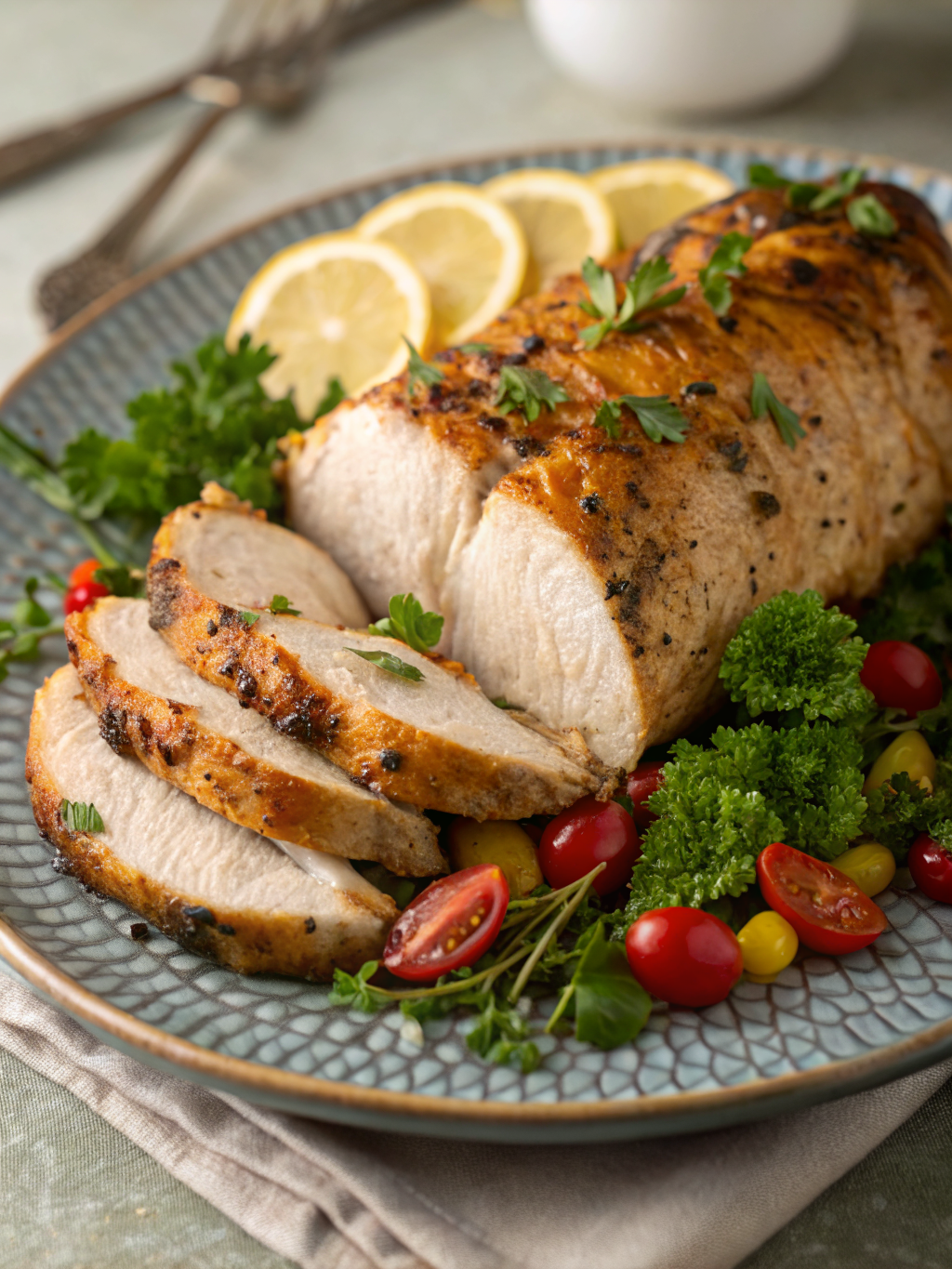
For a memorable presentation, garnish your serving platter with fresh herb sprigs and citrus slices that echo the brine ingredients, creating a visual story of the flavors within. This thoughtful touch elevates the dining experience.
Consider serving with a light gravy rather than a heavy one – the brined turkey is already moist and flavorful, so a simple pan sauce made from the drippings will enhance rather than mask its natural taste. Add a splash of the apple cider used in your brine for flavor continuity.
For a complete flavor experience, pair your brined turkey with sides that offer textural contrast – crispy roasted Brussels sprouts or a crunchy wild rice pilaf provides pleasant variation against the tender meat.
Common Mistakes to Avoid
- Using table salt instead of kosher salt: Table salt is nearly twice as concentrated as kosher salt. If you must use it, reduce the quantity by half to avoid an overly salty turkey.
- Brining too long: More than 24 hours can result in mushy meat with a hammy texture. The salt breaks down proteins over time, so longer isn’t better.
- Not cooling the brine completely: Warm brine creates a food safety hazard. Always cool brine to below 40°F before adding your turkey.
- Forgetting to rinse after brining: Skipping this step leaves excess salt on the surface, resulting in overly salty skin and gravy.
- Using reactive metal containers: Aluminum, copper, or cast iron can react with the salt solution. Use food-grade plastic, stainless steel, or glass containers.
- Not adjusting cooking time: Brined turkeys cook slightly faster than unbrined ones. Start checking temperature 30 minutes earlier than your recipe suggests.
Storing Tips for the Recipe
The brine solution can be made up to 2 days ahead and stored in the refrigerator. This advance preparation makes the actual brining process seamless when you’re ready to prepare your turkey.
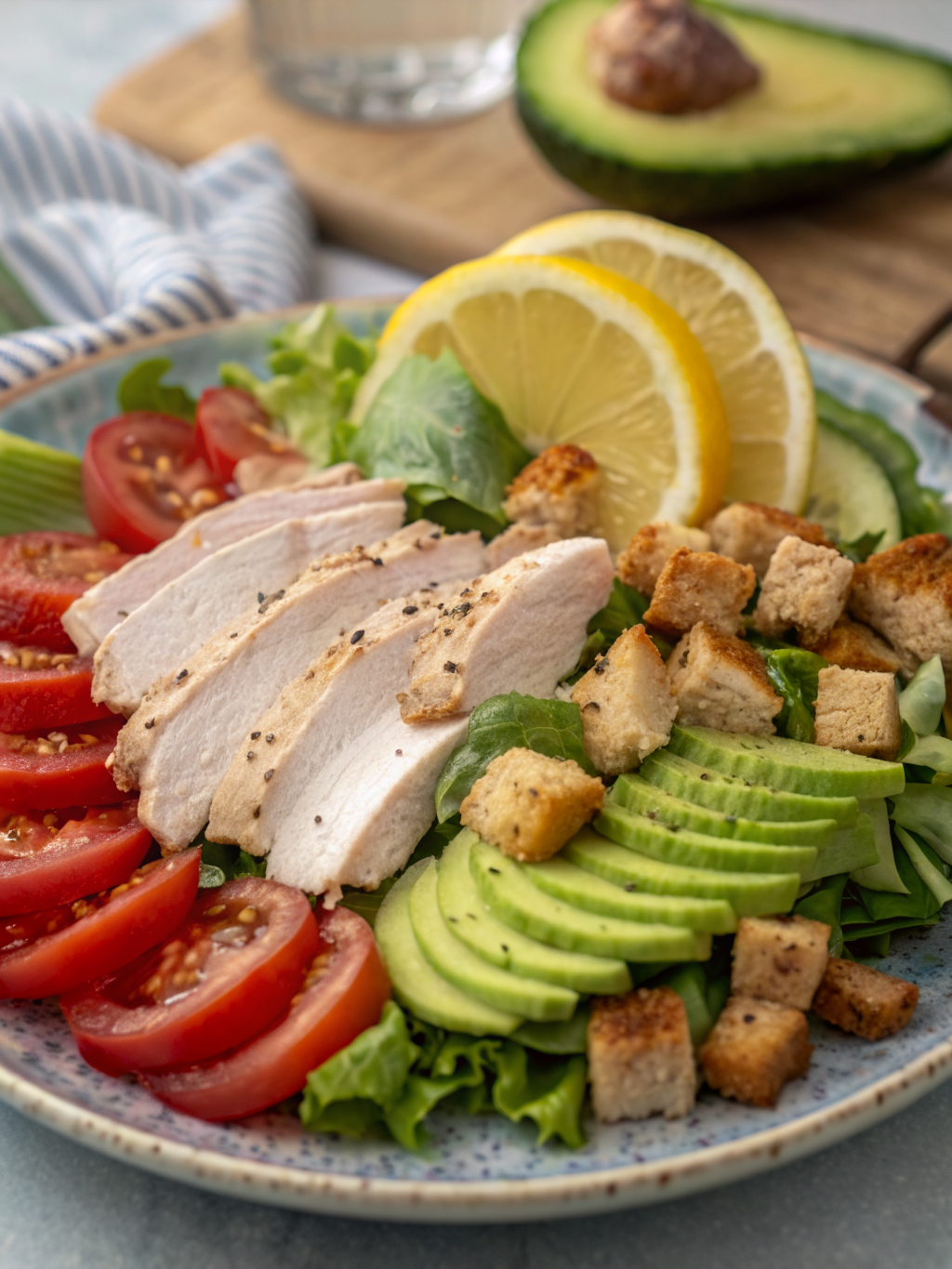
After cooking, brined turkey meat stays moist longer than unbrined turkey. Leftovers can be refrigerated for up to 4 days in airtight containers. The additional moisture retention means your sandwiches and leftover creations will remain delicious rather than dry.
For longer storage, freeze cooked turkey in portion-sized containers with some gravy or broth to maintain moisture. Properly stored, it will maintain quality for up to 3 months. Thaw overnight in the refrigerator for best texture preservation.
If preparing for a large gathering, consider brining and cooking turkey parts rather than a whole bird. This approach allows for more precise cooking and easier storage of any potential leftovers.
Conclusion
A proper turkey brine recipe is truly the difference between a forgettable holiday meal and one that creates lasting memories. The science-backed process of brining infuses your bird with flavor while creating a moisture insurance policy that keeps every bite succulent.
Remember that brining requires advance planning but minimal active time – the perfect cooking technique for busy holiday preparations. The results are well worth the small effort, delivering a turkey that will have everyone asking for your secret.
Have you tried this turkey brine recipe? I’d love to hear about your results in the comments below! Share your own brining tips or ask questions if you’re attempting this method for the first time. Here’s to your most delicious turkey ever!