Easy Lamb Burger Recipe with Garlic and Herbs
Have you ever wondered why restaurant lamb burgers taste so incredibly juicy and flavorful, while homemade versions often fall short? The secret isn’t exotic ingredients or professional equipment – it’s understanding the unique properties of lamb and how to enhance its natural flavors.
This lamb burger recipe will transform your home cooking experience, delivering restaurant-quality results with simple techniques. Whether you’re a lamb enthusiast or trying it for the first time, these step-by-step instructions will guide you to burger perfection.
Unlike beef burgers, lamb brings a distinctive richness and depth that pairs beautifully with Mediterranean and Middle Eastern flavors. Let’s dive into creating the most succulent lamb burgers you’ve ever tasted!
Ingredients List
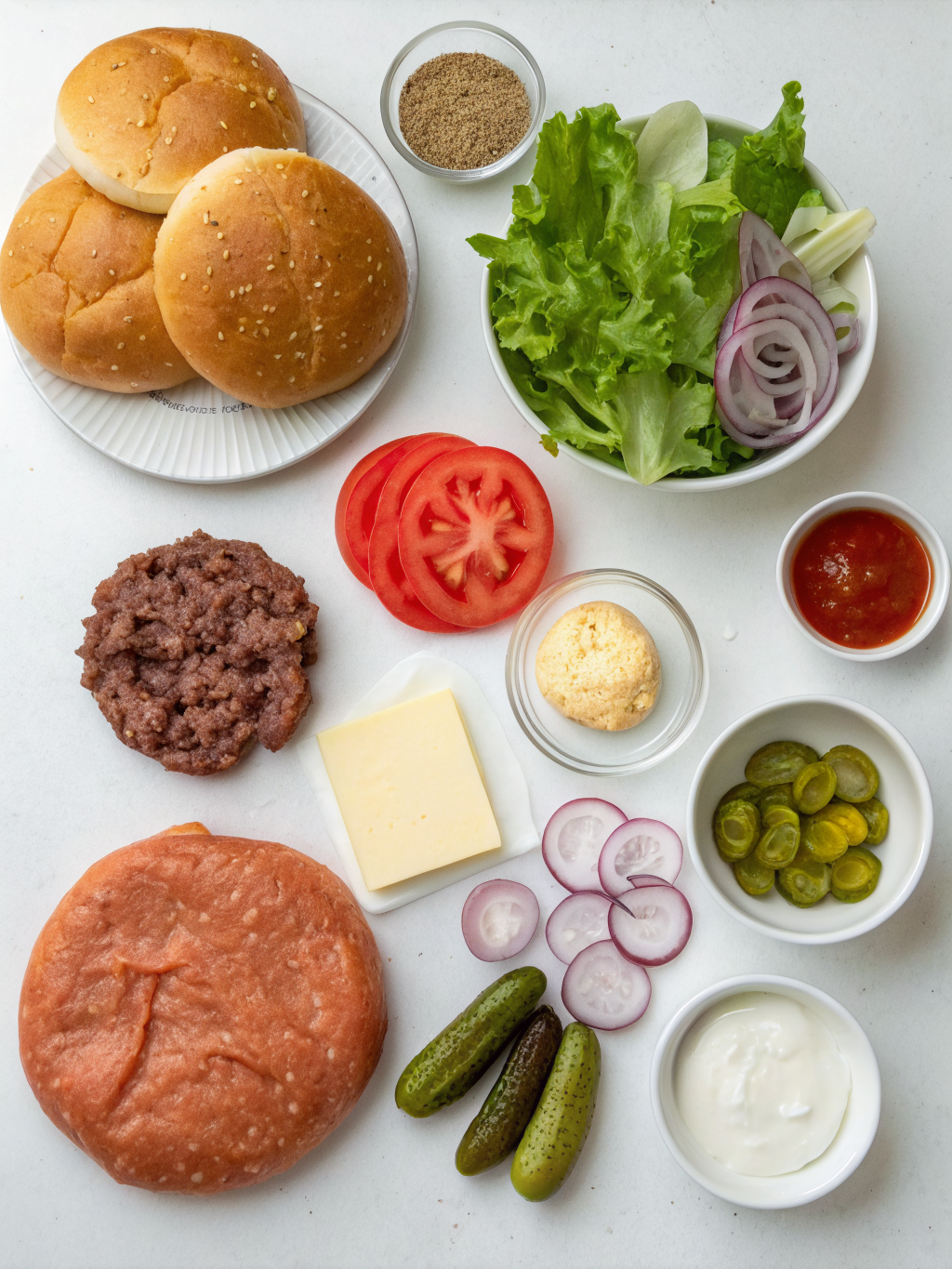
- 1 pound ground lamb (preferably 80% lean for the juiciest results)
- 1/4 cup finely chopped red onion (shallots work beautifully as a substitute)
- 2 cloves garlic, minced (or 1 teaspoon garlic powder if fresh isn’t available)
- 2 tablespoons fresh mint leaves, finely chopped (dried mint works in a pinch, use 2 teaspoons)
- 1 tablespoon fresh oregano, chopped (or 1 teaspoon dried)
- 1 teaspoon ground cumin
- 1 teaspoon ground coriander
- 1/2 teaspoon smoked paprika
- 1 tablespoon Worcestershire sauce
- 1 teaspoon lemon zest
- 1 tablespoon olive oil (plus extra for grilling)
- 1 teaspoon salt
- 1/2 teaspoon freshly ground black pepper
- 4 high-quality burger buns
- Toppings: feta cheese, sliced cucumber, tomato slices, red onion, tzatziki sauce, arugula
The combination of fresh herbs and aromatic spices in this lamb burger recipe creates a symphony of flavors that perfectly complement lamb’s natural richness. The mint and oregano bring brightness, while cumin and coriander add earthy depth.
Timing
Preparation Time: 15 minutes (plus 30 minutes chilling time)
Cooking Time: 10-12 minutes
Total Time: 55-60 minutes
This recipe requires about 25% less active cooking time than most restaurant preparations, making it perfect for weeknight dinners without sacrificing quality. The brief chilling period is crucial for flavor development and texture, delivering professional results with minimal effort.
Step-by-Step Instructions
Step 1: Prepare the Lamb Mixture
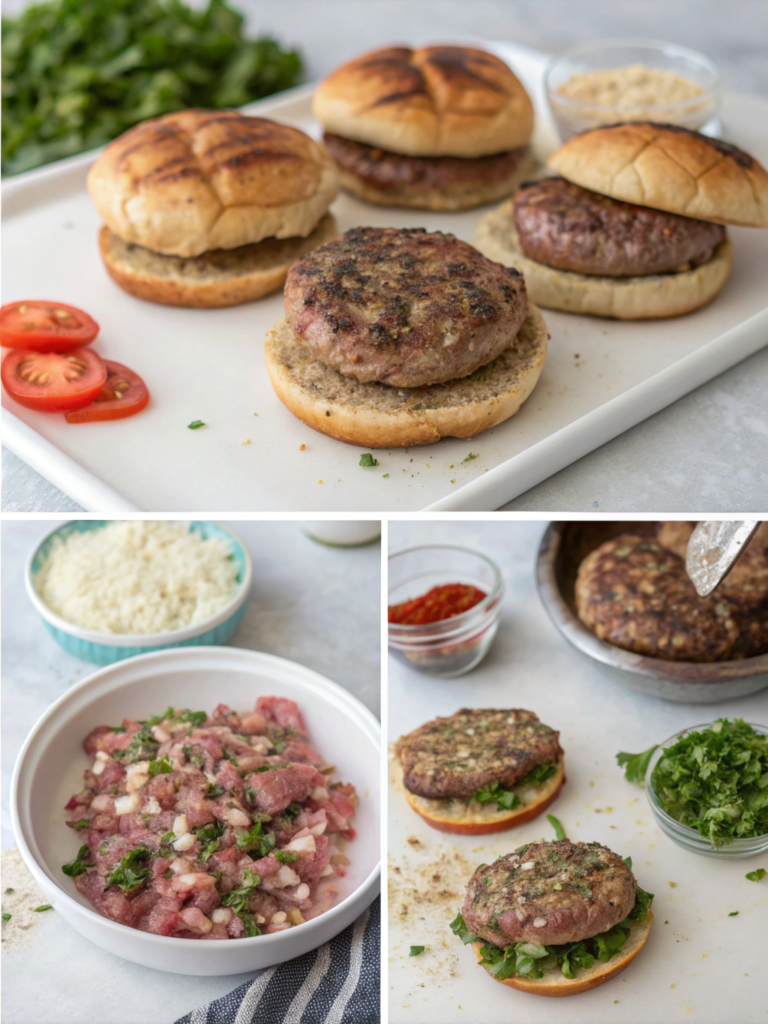
In a large mixing bowl, combine the ground lamb, chopped red onion, minced garlic, mint, oregano, cumin, coriander, smoked paprika, Worcestershire sauce, lemon zest, olive oil, salt, and pepper. The key is to handle the meat gently – overworking will result in tough lamb patties rather than tender ones.
Step 2: Form the Patties
Divide the mixture into four equal portions (about 4 ounces each). Gently shape each portion into a patty approximately 4 inches wide and ¾ inch thick. Press your thumb into the center of each patty to create a slight dimple – this prevents the burgers from puffing up during cooking.
Step 3: Chill the Patties
Place the formed patties on a plate lined with parchment paper. Cover with plastic wrap and refrigerate for at least 30 minutes, or up to 4 hours. This crucial step allows the flavors to meld and the fat to firm up, resulting in juicier burgers that hold together better during cooking.
Step 4: Preheat Your Cooking Surface
For grilling: Preheat your grill to medium-high heat (approximately 400°F). Oil the grates to prevent sticking.
For stovetop: Heat a cast-iron skillet or heavy-bottomed pan over medium-high heat. Add a tablespoon of olive oil when hot.
Step 5: Cook the Lamb Burgers
Cook the patties for 4-5 minutes on the first side without disturbing them. Flip once and cook for an additional 3-4 minutes for medium-rare (internal temperature of 145°F) or 5-6 minutes for medium (160°F). Avoid pressing down on the burgers while cooking, as this squeezes out precious juices.
Step 6: Rest the Burgers
Transfer the cooked burgers to a clean plate and let them rest for 3-5 minutes. This allows the juices to redistribute throughout the meat, ensuring maximum flavor and juiciness. During this time, lightly toast your burger buns on the grill or in a toaster.
Step 7: Assemble Your Masterpiece
Spread a generous layer of tzatziki on the bottom bun. Add arugula, then the rested lamb burger. Top with crumbled feta, cucumber slices, tomato, and red onion. Finish with additional tzatziki on the top bun if desired. Serve immediately while hot.
Nutritional Information
Each lamb burger (including bun and standard toppings) contains approximately:
Calories: 520 kcal
Protein: 32g
Fat: 30g (12g saturated)
Carbohydrates: 28g
Fiber: 3g
Sodium: 820mg
Lamb is nutritionally dense, providing more omega-3 fatty acids than beef. It’s also an excellent source of vitamin B12, zinc, and iron, with each burger delivering approximately 40% of your daily B12 requirements. The fresh herbs add antioxidants and additional micronutrients.
Healthier Alternatives for the Recipe
For a lighter version of this lamb burger recipe, consider these modifications:
Replace half the ground lamb with finely chopped mushrooms to reduce calories while maintaining moisture and adding umami flavor. This “blended burger” approach cuts fat by approximately 30% without sacrificing taste.
Swap traditional buns for whole grain alternatives or lettuce wraps to reduce carbohydrates. Using Greek yogurt instead of mayonnaise-based sauces cuts calories while adding protein and probiotics.
For those monitoring sodium, reduce added salt and enhance flavor with additional fresh herbs like parsley and dill. The brightness of these herbs complements lamb beautifully without extra sodium.
Serving Suggestions
Transform these burgers into a complete Mediterranean feast by serving alongside a refreshing Greek salad with crisp vegetables, olives, and a light vinaigrette. The acidity balances the richness of the lamb perfectly.
For a more substantial meal, add a side of crispy oven-baked sweet potato fries seasoned with rosemary and sea salt. The sweetness creates a delightful contrast to the savory lamb.
Create a DIY burger bar for entertaining by setting out various toppings like pickled red onions, harissa mayo, different cheeses, and grilled vegetables. This interactive approach allows guests to customize their burgers while keeping the lamb as the star.
Common Mistakes to Avoid
- Overworking the meat: Handle the mixture as little as possible to prevent tough, dense burgers. Mix just until ingredients are incorporated.
- Skipping the chilling step: This crucial 30-minute rest allows flavors to develop and fat to firm up, resulting in patties that hold together better and taste more complex.
- Cooking at too high heat: Lamb has a higher fat content than beef and can char quickly. Medium-high heat ensures proper cooking without burning.
- Pressing down while cooking: This common mistake squeezes out flavorful juices. Let the burgers cook undisturbed except for the one necessary flip.
- Not allowing for carryover cooking: Lamb continues cooking after removal from heat. Pull burgers when they’re 5°F below your target temperature.
Storing Tips for the Recipe
Uncooked lamb patties can be refrigerated for up to 24 hours before cooking. For longer storage, freeze patties individually on a parchment-lined baking sheet until solid, then transfer to a freezer bag with parchment between layers. They’ll keep for up to 3 months.
Cooked burgers will stay fresh in the refrigerator for 3-4 days in an airtight container. To reheat, place in a 300°F oven for 10 minutes rather than microwaving, which can toughen the meat.
For meal prep, consider making a double batch of the lamb burger recipe seasoning mix and storing it in an airtight container. This time-saving trick means your next burger night is just minutes away.
Conclusion
Mastering this lamb burger recipe opens up a world of Mediterranean-inspired flavors that elevate the humble burger to gourmet status. The combination of aromatic herbs, warming spices, and lamb’s natural richness creates an unforgettable meal that’s surprisingly simple to prepare.
Whether you’re cooking for a casual family dinner or impressing guests at a weekend barbecue, these lamb burgers deliver restaurant-quality results with home kitchen simplicity. The techniques you’ve learned – from proper meat handling to the importance of resting – apply to all your burger adventures.
Have you tried this recipe? I’d love to hear about your experience or any creative variations you discovered! Share your results in the comments below, or tag us in your burger photos on social media. Happy cooking!